Every parent knows the moment: you ask for two minutes of brushing and somehow it turns into a 12-second “swish,” a negotiation, and toothpaste on the mirror. The right kids electric toothbrush doesn’t just clean better - it reduces friction. Less arguing, more consistency, and fewer “Did you actually brush?” doubts.
But “best” is not one universal model. The best kids electric toothbrush is the one your child will actually use correctly, twice a day, with minimal supervision. That depends on age, mouth size, sensory preferences, and how much help you want the brush to provide.
What’s is the best kids electric toothbrush? It depends on age and behavior
If you searched “What’s is the best kids electric toothbrush?” you’re probably trying to skip the endless scrolling and get to a confident buy. Fair. Here’s the honest answer from a curator mindset: the best choice changes by stage.
For a cooperative 8- to 12-year-old with decent technique, a classic kids oscillating-rotating or sonic brush with a small head can be a great long-term pick. For a 3- to 6-year-old who fights brushing or can’t coordinate angles, a guided-format brush (including U-shaped styles) can make the routine easier. For sensory-sensitive kids, the “best” may simply be the quietest, softest option that doesn’t feel like a power tool.
What matters most is matching the brush to your child’s reality, not your ideal routine.
The real decision: what problem are you solving?
Parents usually buy a kids electric toothbrush for one of four reasons, and your reason should drive the features you pay for.
If your main issue is speed and compliance, you want something that makes the routine feel shorter, simpler, and more predictable - timers, lights, or a format that reduces technique demands.
If your main issue is plaque and brushing quality, you want consistent motion, soft bristles, and a head size that can reach back molars without gagging.
If your main issue is independence, you want a brush that guides duration and coverage so you can step back while still feeling confident.
And if your main issue is travel and convenience, you want long battery life, easy charging, and replacement heads you can actually get again.
Once you name your problem, the “best” category becomes obvious.
Kids electric toothbrush types (and who each one fits)
Most kids electric toothbrushes fall into three buckets. They all can work, but they’re not interchangeable.
1) Oscillating-rotating (round head)
This is the style many dentists recommend for plaque control because the small round head can target one tooth at a time. For kids who can tolerate the feel and will let you guide the brush along the gumline, it’s a strong performer.
Trade-off: it can feel tickly or intense for some kids, and younger kids may “paint” the front teeth only unless you supervise.
2) Sonic (vibrating, oval head)
Sonic brushes use high-frequency vibrations and usually have a more traditional-looking brush head. Some kids prefer the feel. It can be gentler and quieter depending on the model.
Trade-off: technique still matters. If your child rushes, a sonic brush won’t magically reach every surface.
3) U-shaped electric toothbrushes (mouthpiece style)
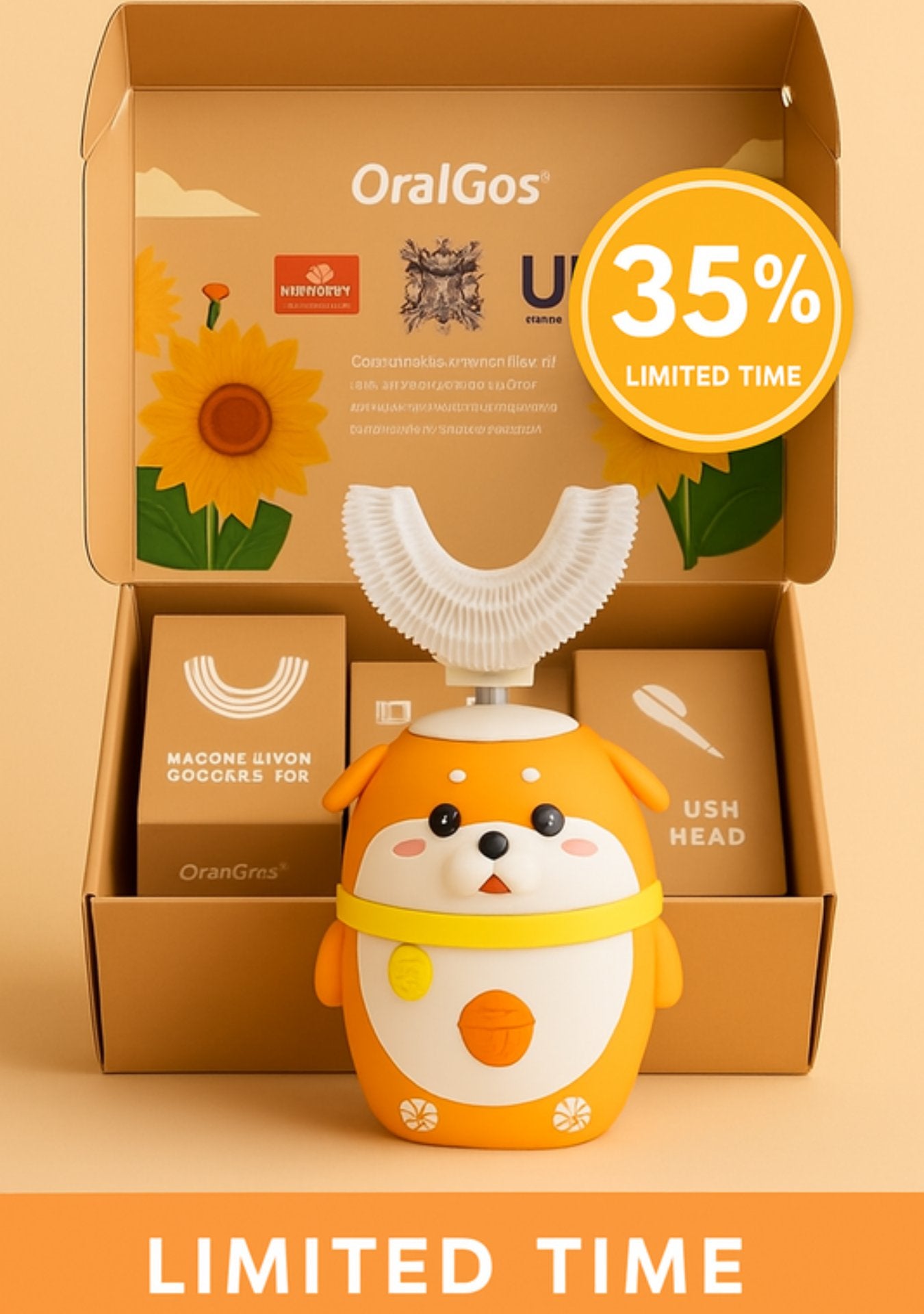
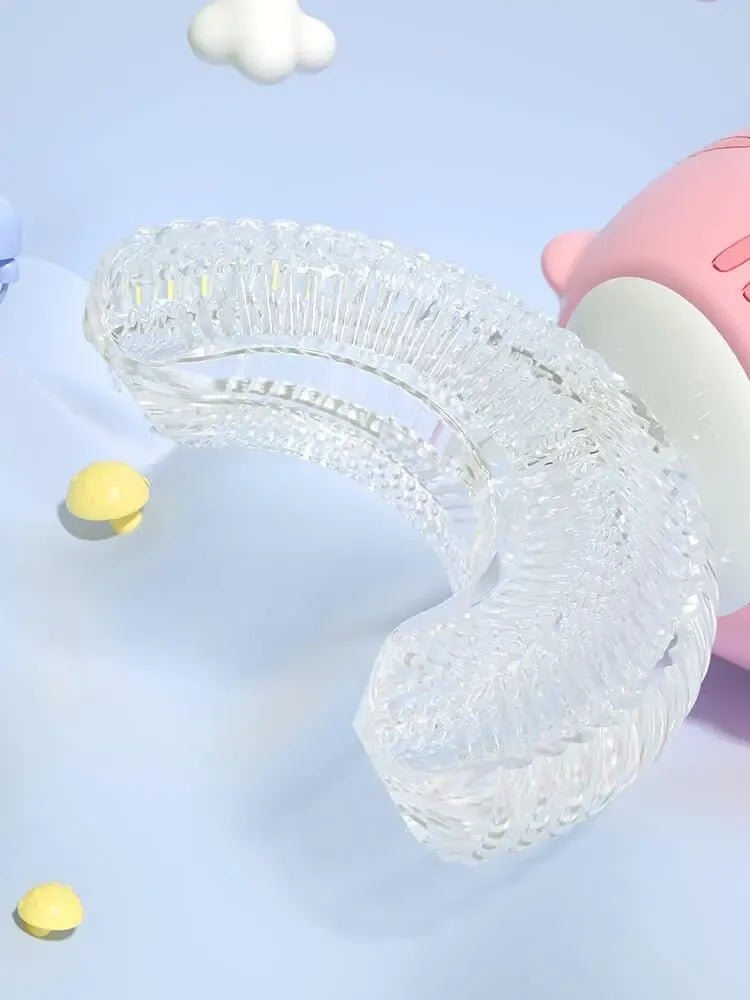
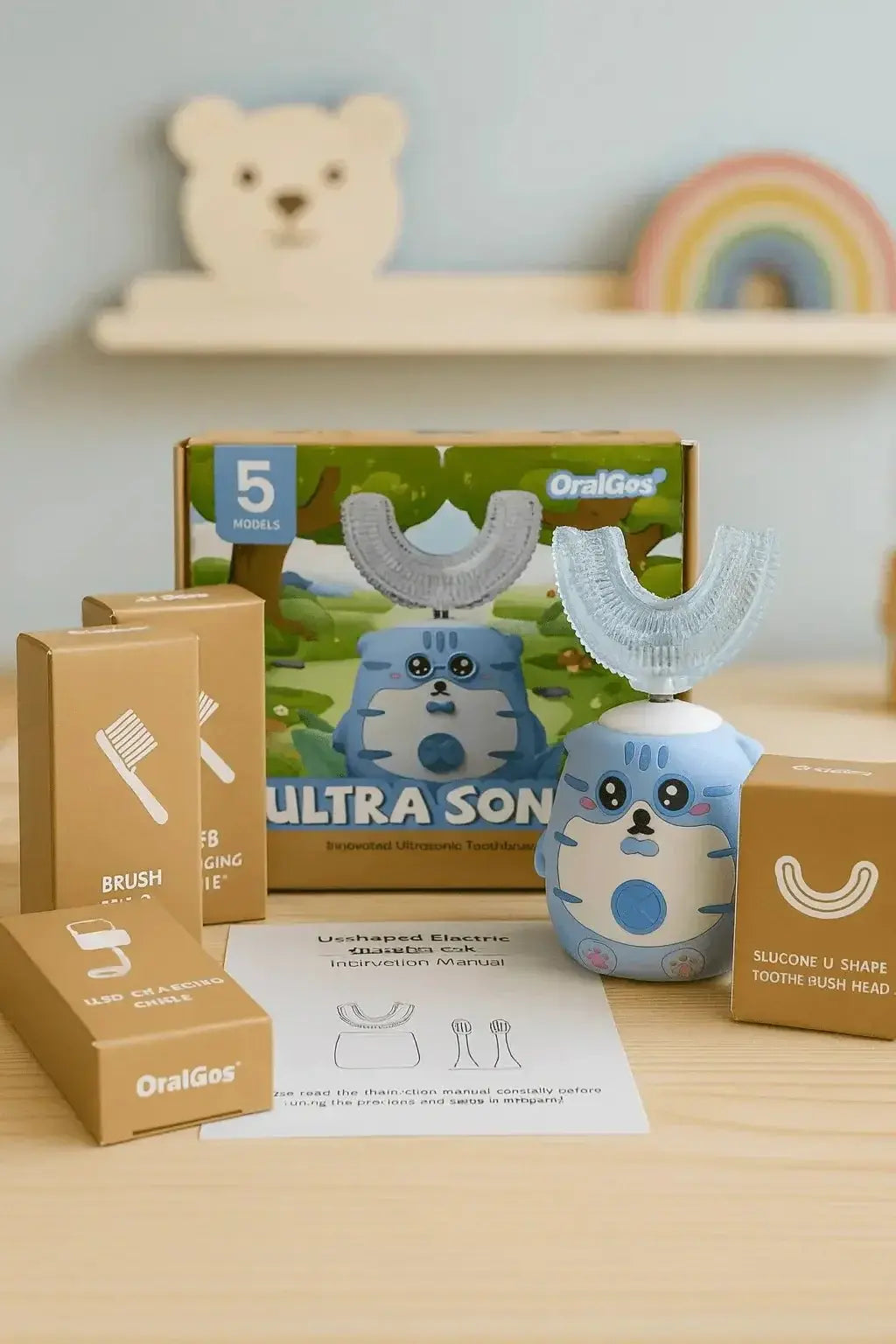
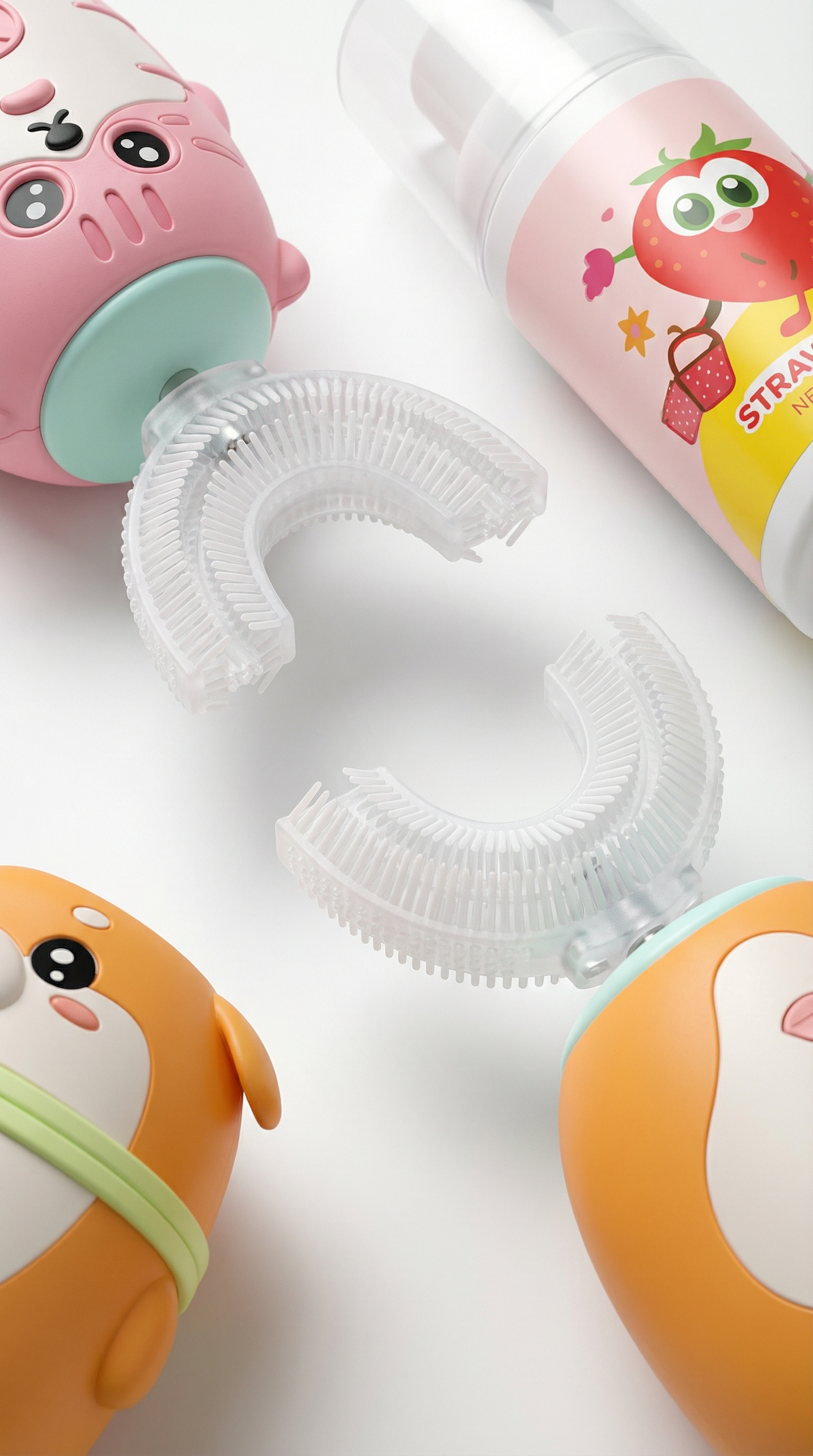
U-shaped kids toothbrushes are designed to simplify technique by placing a mouthpiece in the mouth and brushing many surfaces at once. They’re popular for younger kids and for families trying to reduce daily battles.
Trade-off: performance depends heavily on fit, bristle quality, and whether the child moves it correctly. Mouth size varies a lot between ages 2 to 12, so choosing the right size and using it as directed matters.
A practical way to choose: if your child can’t reliably brush back molars and inner surfaces, a format that reduces technique requirements can be the difference between “sometimes” and “twice daily.”
The features that actually matter (and the ones that don’t)
Product pages love big claims. Busy parents need a shorter filter. These are the specs that make a real difference in day-to-day use.
Bristles: soft wins for kids
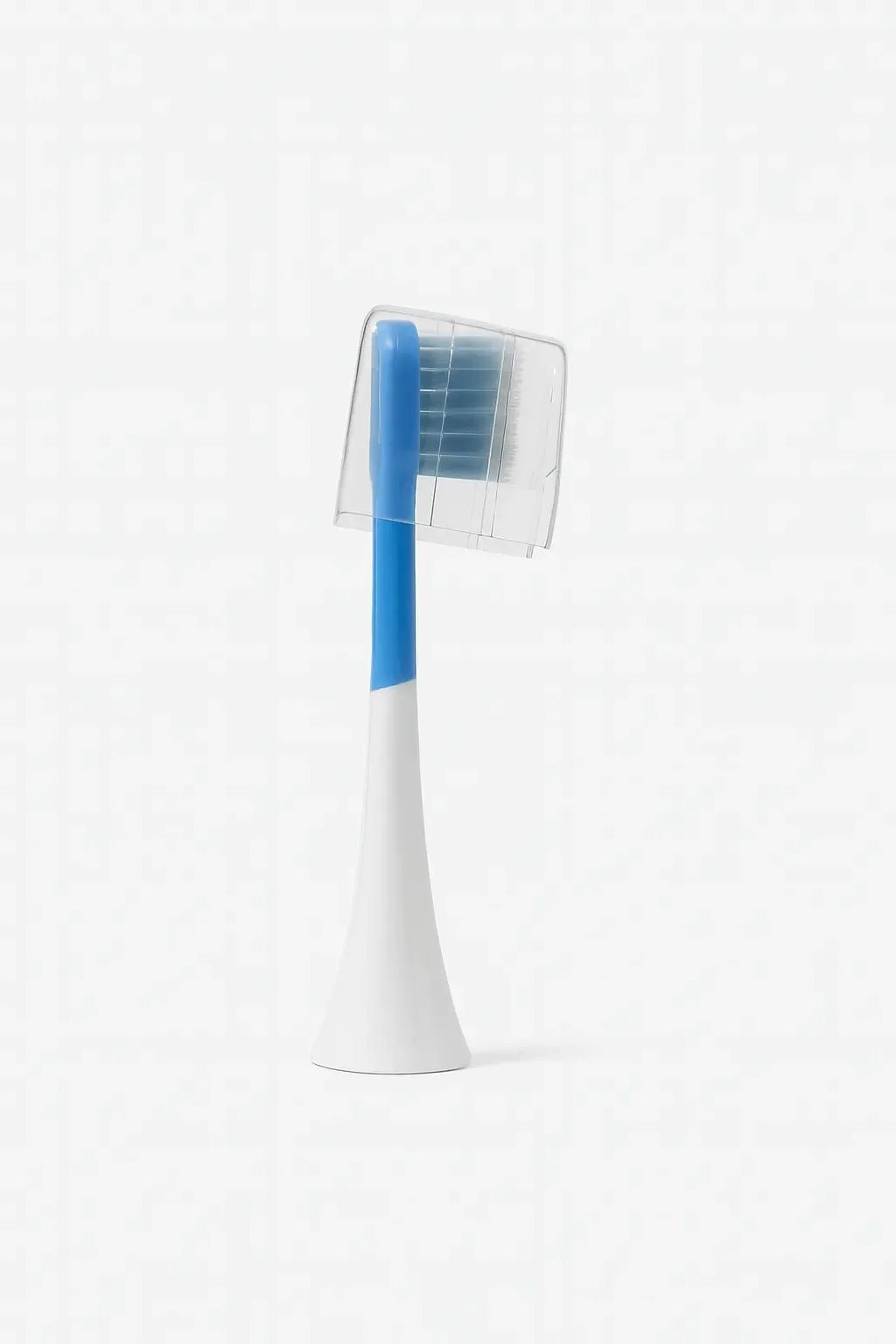
For children, soft bristles are usually the safest default. Kids tend to press too hard, especially when they’re excited by a new gadget. Soft bristles reduce irritation while still cleaning effectively.
If a brush head looks stiff or “spiky,” skip it. Also watch for bristles that splay quickly - that usually means the material is too weak, and you’ll replace heads more often.
Head size and fit: the most ignored “best” factor
A brush can have perfect motor specs and still fail because the head is too big for a small mouth. If the head can’t comfortably reach the back teeth, kids compensate by brushing only the front.
For U-shaped styles, fit is even more important. If it’s too large, it won’t contact teeth well. If it’s too small, it can feel tight and unpleasant - and then you’re back to square one.
Timer and pacing help: two minutes is hard for kids
Look for a built-in two-minute timer or clear pacing cues. Many brushes use 30-second quadrant prompts. This matters because kids don’t naturally brush long enough, even when they mean well.
If you’re choosing a brush for independence, timer cues are not optional - they’re the training wheels.
Pressure control: helpful for enthusiastic brushers
Some kids press hard. If your child’s toothbrush bristles flatten quickly or their gums look irritated, pressure alerts can help. It’s not a must-have for every family, but it’s valuable if you’re seeing signs of overbrushing.
Battery and charging: choose what matches your routine
If you want a “set it and forget it” brush, prioritize long battery life and simple charging. USB charging is convenient for travel and for families who don’t want another bulky base on the counter.
The best battery is the one you won’t forget to charge. A brush that dies every few days becomes a manual brush in disguise.
Noise and vibration: sensory comfort is real
A brush that’s technically great but feels too loud or intense won’t be used consistently. If your child is sound-sensitive or resists the sensation, look for gentler modes and smoother vibration.
Sometimes the “best” brush is simply the one your child doesn’t hate.
App connectivity and games: nice, not necessary
Some brushes come with apps, coaching, and games. For certain kids, that’s motivating. For others, it becomes one more thing to manage at bedtime.
If you already limit screens in the routine, don’t feel pressured to add an app just because it looks modern. A timer and a consistent habit beat a fancy dashboard.
How to choose by age (real-world, not marketing)
Age ranges on boxes are broad. Use them as a starting point, then adjust based on your child’s size and skills.
Ages 2-3: keep it gentle, quick, and parent-led
At this stage, brushing is mostly training and tolerance. You’re doing most of the work, and the goal is consistency.
Choose a very small head, ultra-soft bristles, and a brush that doesn’t feel aggressive. A simple timer helps you, not them. If your toddler fights brushing, a U-shaped format can reduce the “hold still while I brush each tooth” struggle, but only if the mouthpiece fits comfortably.
Ages 4-6: the “I can do it!” phase (with supervision)
Kids want independence, but their technique is incomplete. This is where electric toothbrushes can shine because the motion is consistent even if their hand skills aren’t.
Prioritize a comfortable grip, a small head, and a timer. If your child rushes, you want pacing cues. If your child is resistant, you want something that makes brushing feel easier and faster.
Ages 7-9: skills improve, but back teeth still get missed
Many kids can manage a standard kids electric brush well here. Focus on head size, bristle softness, and whether the brush encourages full-mouth coverage. If your child has orthodontic space maintainers or early braces, a brush with good maneuverability and gentle motion becomes more important.
Ages 10-12: transition toward “grown-up” performance
Older kids can often use smaller adult brush heads or advanced kids models. If they’re in braces or aligners, look for gentle but thorough cleaning and consider whether you need multiple modes (sensitive, daily clean) rather than one intense setting.
The best pick here is usually the one they’ll keep using without reminders.
U-shaped kids electric toothbrushes: what to know before you buy
U-shaped brushes are popular because they promise speed and simplicity. They can be a practical tool, especially for younger kids, but you should buy with clear expectations.
First, fit is everything. A mouthpiece that doesn’t match your child’s jaw size can reduce contact and cleaning. If you’re buying a U-shaped brush, choose a size designed for your child’s age group and be ready to adjust if it feels loose or tight.
Second, technique still matters, just less of it. Most designs work best when the child bites gently into the mouthpiece and keeps it aligned. Some also require subtle movement or holding it in place long enough to do its job. If your child treats it like a toy and chews it, results will be mixed.
Third, think of it as a routine helper, not a dentist replacement. If your child has a history of cavities or plaque buildup, you may still want periodic parent-assisted brushing or a standard brush for detail areas. Some families use U-shaped brushes for the morning rush and a classic electric brush at night when there’s more time.
That’s not overkill - that’s matching tools to real life.
Braces, sensitive gums, and other “it depends” cases
A lot of buying advice ignores the kids who don’t fit the average.
If your child has braces, prioritize gentle cleaning and access around brackets. A smaller head is helpful. Consistent motion plus good technique matters more than raw power. A brush that’s too intense can make gums sore, which leads to skipping brushing - the opposite of what you want.
If your child has sensory sensitivities, start with the mildest mode and keep the first week simple. Let them hold the brush, turn it on near their hand, then touch a front tooth briefly. Comfort builds compliance.
If your child is cavity-prone, the brush is only half the plan. You still need consistent fluoride toothpaste use (appropriate amount for age), good coverage, and a routine that actually happens twice daily.
A quick “best” checklist you can use in 60 seconds
When you’re comparing options, don’t get stuck in feature overload. The brush that wins on these points is usually a safe bet:
- The head or mouthpiece clearly fits your child’s age and mouth size.
- Bristles are soft and feel comfortable on gums.
- There’s a built-in timer or clear brushing cycle.
- It’s easy to hold for small hands and easy for parents to help with.
- Charging and battery life match your household rhythm.
- Replacement heads are available so you’re not stuck later.
If a brush checks all of that, it’s probably “best enough” - and that’s the goal for busy families.
What parents get wrong when buying kids electric toothbrushes
The most common mistake is buying for your child’s future self instead of their current self. A powerful brush with lots of modes sounds like a smart investment, but if it feels uncomfortable today, it won’t get used.
Another mistake is assuming electric equals automatic. Kids still need coaching, especially on inner tooth surfaces and back molars. Electric motion helps, but it doesn’t steer.
The third mistake is ignoring replacement heads. If you can’t replace the head easily, the brush becomes a short-term purchase. Worn bristles clean worse and can irritate gums. In most households, planning for replacements every 2 to 3 months keeps performance consistent.
How to make any electric toothbrush work better (without adding time)
If you want immediate improvement without a total routine overhaul, focus on two small habits.
First: angle the bristles toward the gumline. This is where plaque builds, and kids naturally brush flat against the tooth.
Second: create a predictable order. Front top, front bottom, left side, right side, then the inner surfaces. Kids forget less when the sequence never changes.
If your child struggles with inner surfaces, do a quick parent “finishing pass” at night only. Even 20 seconds of help can make a noticeable difference over weeks.
So what should you buy if you want a confident, low-drama choice?
If your child is generally cooperative and old enough to follow simple instructions, a classic kids oscillating-rotating or sonic brush with a small head, soft bristles, and a timer is the most universally reliable option.
If your child is younger, resistant, or you’re trying to make brushing feel faster and easier, a well-fitted U-shaped kids electric toothbrush can be a practical routine-saver, especially for morning rushes and bedtime battles.
If you’re the kind of parent who doesn’t want to gamble on random marketplace listings, buying from a retailer that curates and tests family products can remove a lot of decision fatigue. That’s the whole point of TipTop360 - fewer gimmicks, more “this actually helps at home,” plus the reassurance parents care about (fast delivery options, secure payments, and a money-back guarantee).
The closing thought that matters most
“Best” isn’t about the fanciest motor or the cutest character on the handle. The best kids electric toothbrush is the one that fits your child’s mouth, feels comfortable, and turns brushing into a routine you don’t have to fight for twice a day.