Mornings with kids are basically a race: shoes, snacks, backpacks - and that one task that always turns into a debate: brushing.
If you have a toddler who clamps their mouth shut, a kindergartener who “already did it” (they didn’t), or a 9-year-old who rushes in 12 seconds, the appeal of a u shaped electric toothbrush for kids is obvious. It looks like it should make brushing faster, easier, and more consistent.
It can. But it depends on the child, the brush design, and how you use it. Here’s the parent-focused breakdown so you can buy once and feel good about it.
What a u shaped electric toothbrush for kids actually does
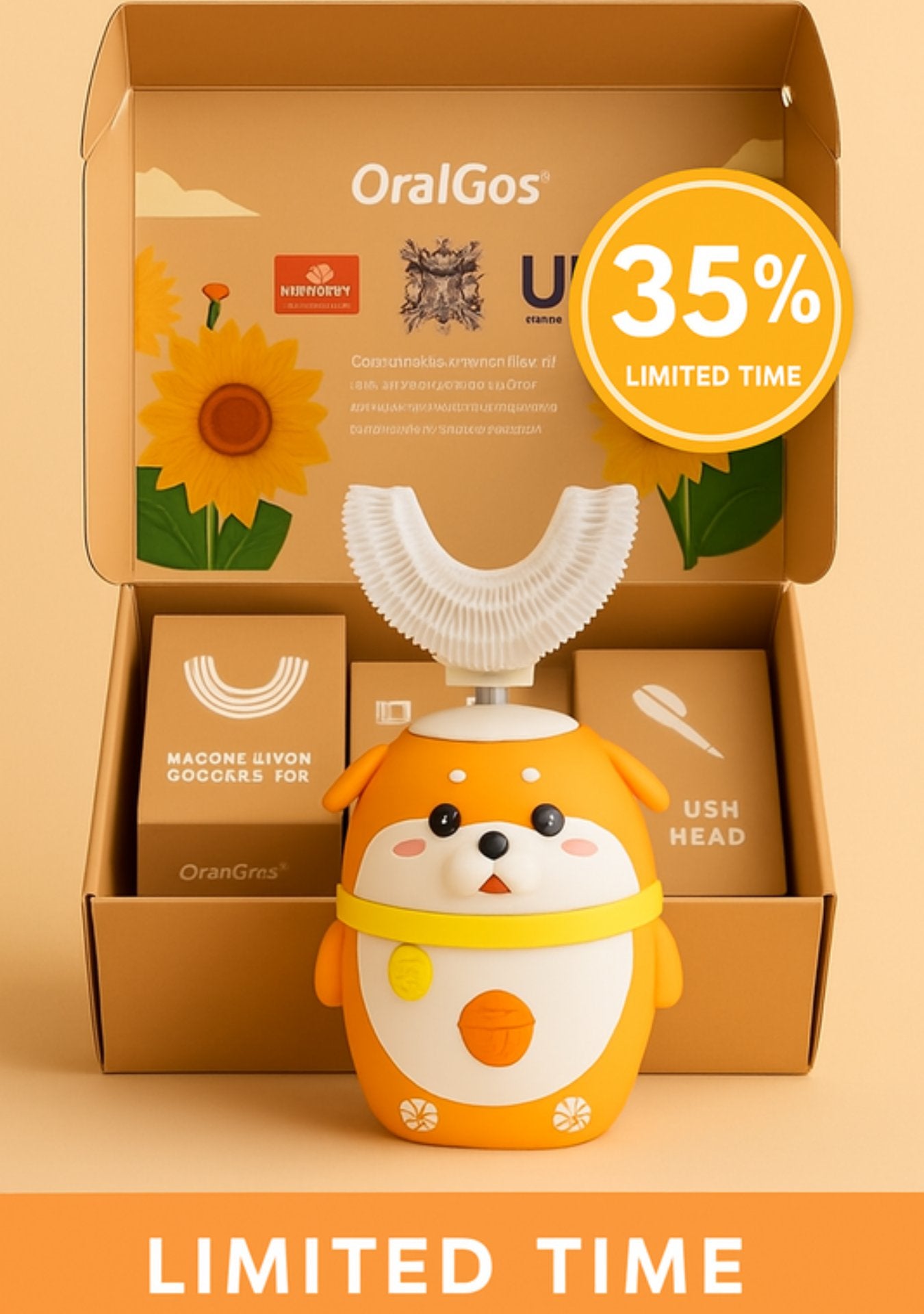
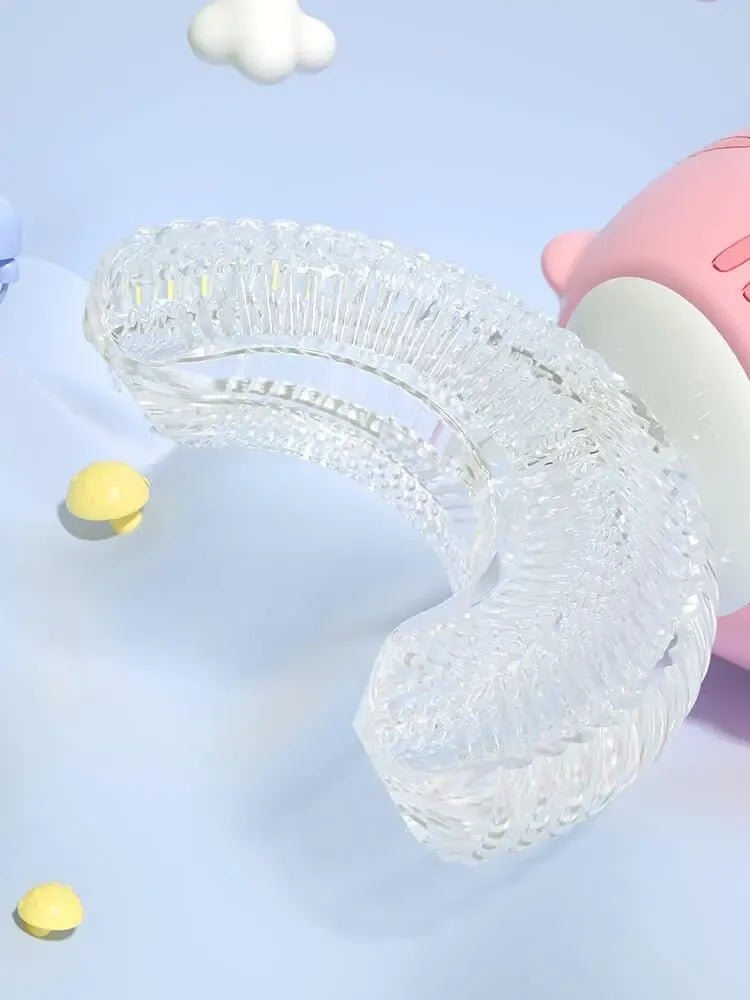
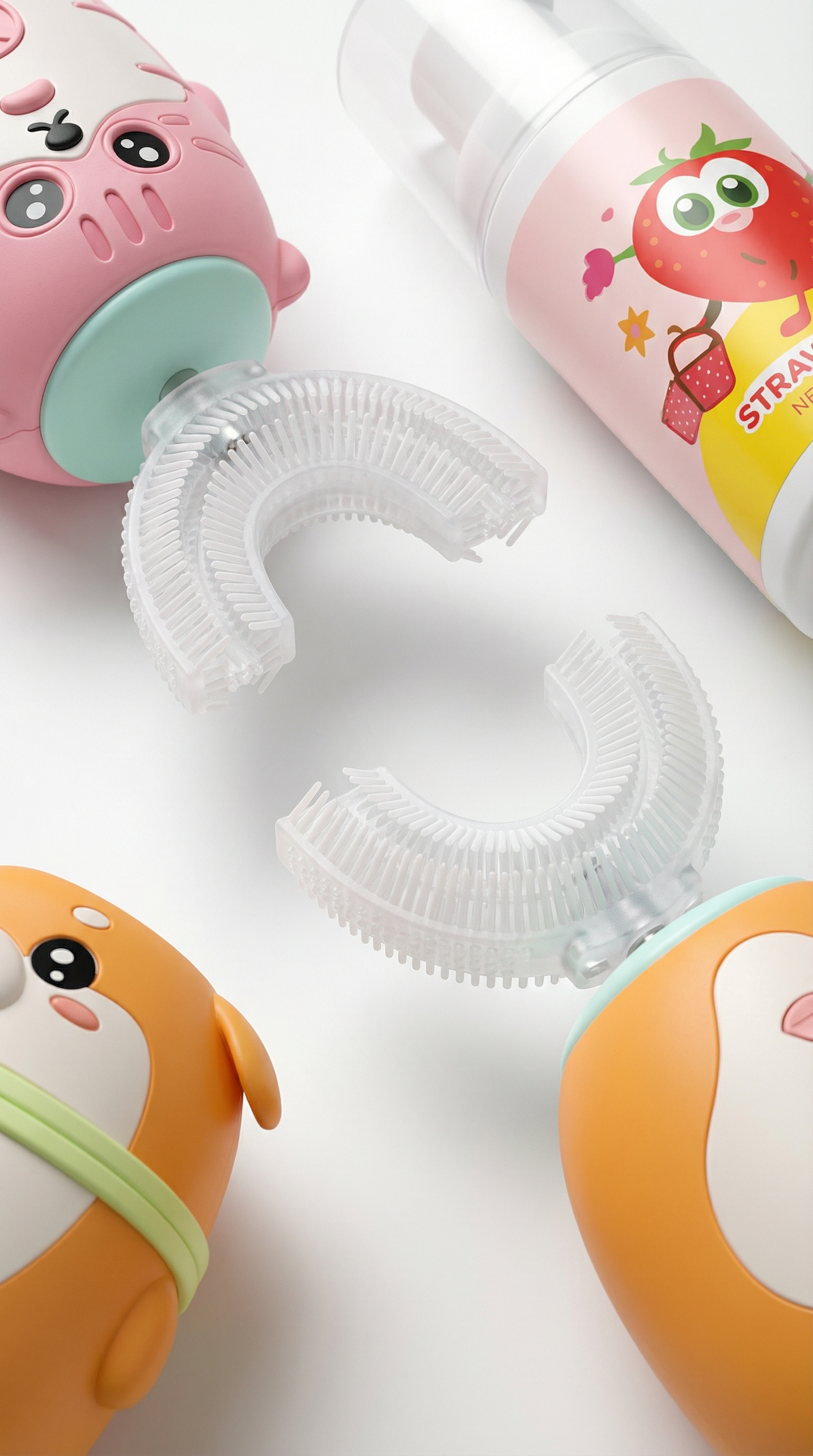
A U-shaped brush head is a mouthpiece that fits over the teeth. Instead of moving a small brush across each tooth, your child bites gently into the U and the bristles contact multiple tooth surfaces at the same time.
Most models use vibration (sometimes marketed as sonic). The idea is simple: combine all-around contact with automated movement so the “work” of brushing doesn’t rely on a kid’s technique.
The real value is routine-building. When brushing feels quick and predictable, you get less resistance, fewer missed nights, and more chances to build the habit that lasts.
Why parents like it (and when it’s a real win)
For many families, the biggest problem isn’t knowing how to brush. It’s getting a child to do it long enough, often enough, without a full negotiation.
A U-shaped brush can help in a few common scenarios.
First, kids who hate brushing because it feels pokey or “too much.” A soft mouthpiece can feel less intrusive than a standard brush head moving around their mouth.
Second, kids with short attention spans. Even if you still aim for a full two minutes, the “put it in and press a button” step removes the hardest part for them: coordinating movement and coverage.
Third, parents who are trying to move from parent-brushing to independent brushing. A U-shaped brush can act like training wheels while you keep an eye on consistency.
That said, it’s not magic. A U-shaped brush is more forgiving, not foolproof.
The trade-offs: what a U-shaped brush can miss
You deserve the honest version, because this is where buyers get disappointed.
A mouthpiece that brushes “everything at once” can still miss spots if the fit is off. If the U is too big, bristles won’t press evenly. Too small, and it can feel uncomfortable, making kids bite down weirdly or refuse it entirely.
There’s also technique, just in a different form. Kids still need to keep it in place and not chew it like a toy. They also need enough brushing time for the vibration to do its job.
And plaque is stubborn near the gumline. Some kids do better with a standard small head because a parent can angle it and target problem areas. With a U-shaped mouthpiece, you’re relying on the mouthpiece design and contact pressure.
The practical takeaway: a U-shaped brush is best when the goal is compliance and consistency, and you’re willing to do quick “spot checks” with a normal brush when needed.
Who it’s best for (and who should skip it)
A u shaped electric toothbrush for kids tends to work best for ages roughly 2 to 8, especially when the child is still learning routine and coordination.
It can also be useful for kids who are sensitive to brushing, kids who have a strong gag reflex with traditional brushing, or families trying to reduce nightly friction.
You may want to skip it, or treat it as a secondary brush, if your child has braces, permanent retainers, or other dental appliances. Those setups often need more targeted cleaning around wires and brackets.
If your child is older and already brushes well with a standard electric toothbrush, a U-shaped brush might feel like a downgrade. At that point, you’re optimizing for precision, not just speed.
If you’re unsure, think of it this way: if the main problem is “we can’t get them to brush,” U-shaped is worth considering. If the main problem is “they brush but still have plaque at the dentist,” you may need a more traditional approach or more parent supervision.
What to look for when buying one
This category has a lot of look-alike products. The differences that matter are the boring ones: fit, bristle softness, safety, and charging.
Fit and sizing
Look for clear age or size guidance and a mouthpiece that matches your child’s jaw. A good fit should sit comfortably on the teeth without forcing a wide stretch.
If a brand offers multiple mouthpiece sizes, that’s usually a good sign. Kids’ mouths change quickly, and a “one-size” design is often a compromise.
Soft, dense bristles
Kids’ gums can get irritated fast. Softer bristles are usually better, but you also want enough density to actually scrub. Super sparse bristles feel gentle but can clean poorly.
Materials and safety
You want food-grade materials for anything that sits in the mouth. Also check how the mouthpiece is attached and how it’s cleaned - if it’s hard to rinse thoroughly, it can get gross.
Timer and simple controls
Kids do best with one button. Timers help parents too, because it removes the nightly “how long is long enough” argument.
Waterproofing that matches real life
Kids will dunk it, drop it, and rinse it aggressively. Basic water resistance is not enough if the device is meant to be used daily in a wet sink area.
How to use it so it actually cleans (not just feels easy)
Most disappointing results come from rushing or using too much toothpaste.
Use a small smear for younger kids and a pea-sized amount for older kids. Mouthpiece brushes can foam quickly, and too much paste makes kids spit early or pull it out.
Have your child place the mouthpiece over their teeth and bite gently - not clamp. Start the brush, then ask them to keep their lips closed around it to reduce drool and mess.
Time matters. If your brush has a built-in timer, use it consistently. If it doesn’t, count it out or use a quick two-minute song. “Fast” doesn’t mean “ten seconds.” It means less effort for the same time.
And do a quick parent check. You’re not re-brushing their whole mouth every time. You’re just looking for the usual misses: front teeth near the gums and the back molars. If you see buildup, do a short follow-up with a regular brush a few nights a week.
Cleaning and hygiene: the part nobody talks about
A U-shaped mouthpiece sits in warm, wet conditions - bacteria love that.
Rinse it immediately after each use and shake out water. If the mouthpiece is removable, take it off and rinse both parts. Let it air-dry upright in an open space, not sealed in a cup.
Replace the mouthpiece when it starts to look cloudy, warped, or smelly, or when bristles lose their shape. Even if the device still works, worn bristles reduce cleaning power.
This is also where buying from a retailer that carries replacement mouthpieces matters. Toothbrushes aren’t a one-time purchase, they’re a routine.
A quick reality check on claims
You’ll see big promises: “cleans in 10 seconds,” “360-degree deep clean,” “dentist-level results.” Treat those as marketing.
A U-shaped brush can reduce friction, increase consistency, and make brushing more kid-friendly. Those are real benefits. But it still needs proper time, proper fit, and basic supervision - especially for toddlers.
If you want the best odds of success, pair it with two habits: water after sweets and a consistent bedtime brush. The brush helps, but the routine is what changes outcomes.
Buying it in the UAE vs using it anywhere
If you’re a UAE-based family, speed and reassurance are part of the decision. Look for clear return policies, cash on delivery if you prefer it, and simple customer support if something arrives damaged or doesn’t fit.
That “we did the homework for you” filter is exactly why many parents buy curated kid essentials from stores like TipTop360 instead of scrolling endless marketplace listings. Less guessing, fewer gimmicks, faster delivery - and you can get on with your day.
The bottom line: is a U-shaped brush worth it?
If brushing is a daily struggle in your house, a u shaped electric toothbrush for kids is often worth trying because it changes the experience. It makes the task feel simpler to a child and more manageable to a parent.
Just buy with your eyes open: fit matters, time matters, and some kids will still need occasional touch-ups with a regular brush, especially around the gumline and molars.
The best toothbrush is the one your kid will actually use twice a day without a fight - and the best routine is the one you can repeat even on the busiest nights.