You know that moment when you are already running late, and the toothpaste ends up on the mirror, the lunchbox is missing, and someone is arguing about brushing teeth like it is a full-time job. Most “home hacks” are really just more stuff. The right products do one thing: they remove friction from routines you repeat every day.
That is the bar for problem solving products for home. Not cute. Not complicated. Not another gadget you feel guilty about. Just practical helpers that make mornings smoother, playtime cleaner, and family logistics less stressful.
What counts as “problem solving products for home” (and what does not)
A true problem-solver has a clear job and a measurable payoff. It saves time, reduces mess, improves compliance (especially with kids), or eliminates a recurring annoyance like lost items or dead batteries.
The trade-off is real: the more specialized the product, the more you need to be honest about whether the problem happens often enough to justify it. If the issue shows up daily (brushing, packing, schoolwork, clutter), buy for reliability. If it is occasional (party entertainment, travel days), buy for durability and easy storage.
The short list of problems worth solving first
Most busy homes do not need 30 new tools. They need relief in a few repeat zones: personal care, screen-free engagement, mess control, and “where did I put that?” organization. Start there, and your home feels better fast.
Problem solvers for kids’ routines (where most daily friction lives)
1) A kid-friendly electric toothbrush that cuts down the struggle
If toothbrushing turns into bargaining, the product you want is the one that makes the behavior easier than the resistance.
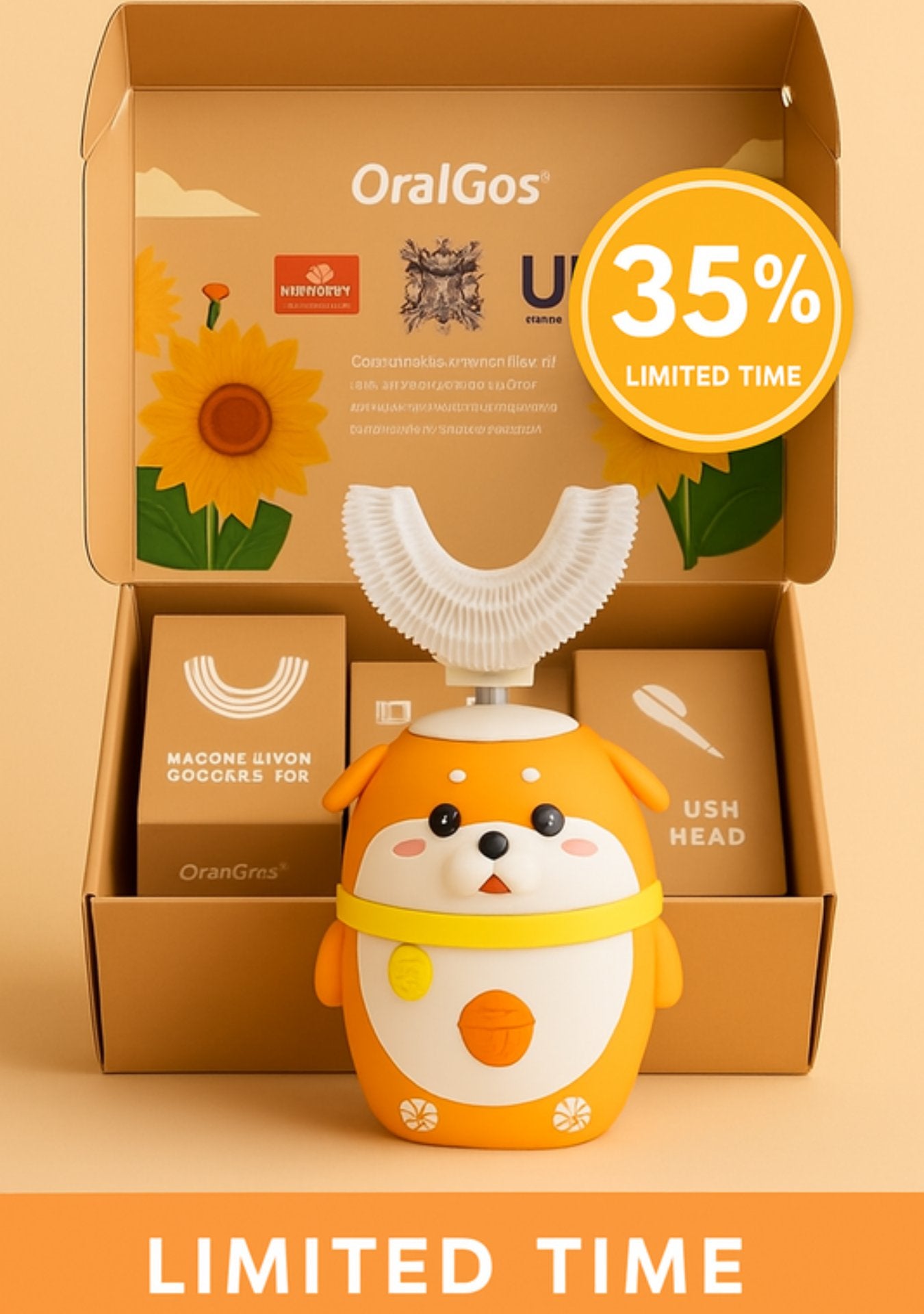
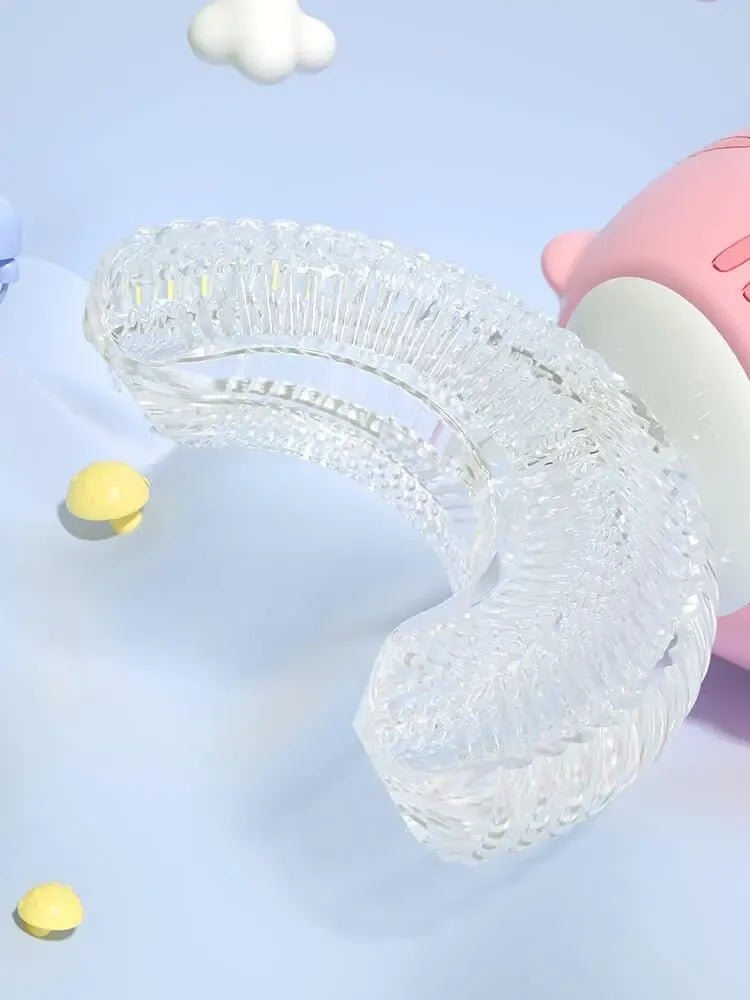
U-shaped kids electric toothbrushes are popular for a reason: the format can feel less “poke-y” than a traditional brush, and kids often tolerate it better.
It depends on your child, of course. Some kids still prefer a classic brush head. But for ages where the goal is consistency and habit-building, this is the kind of switch that can turn a nightly debate into a two-minute task.
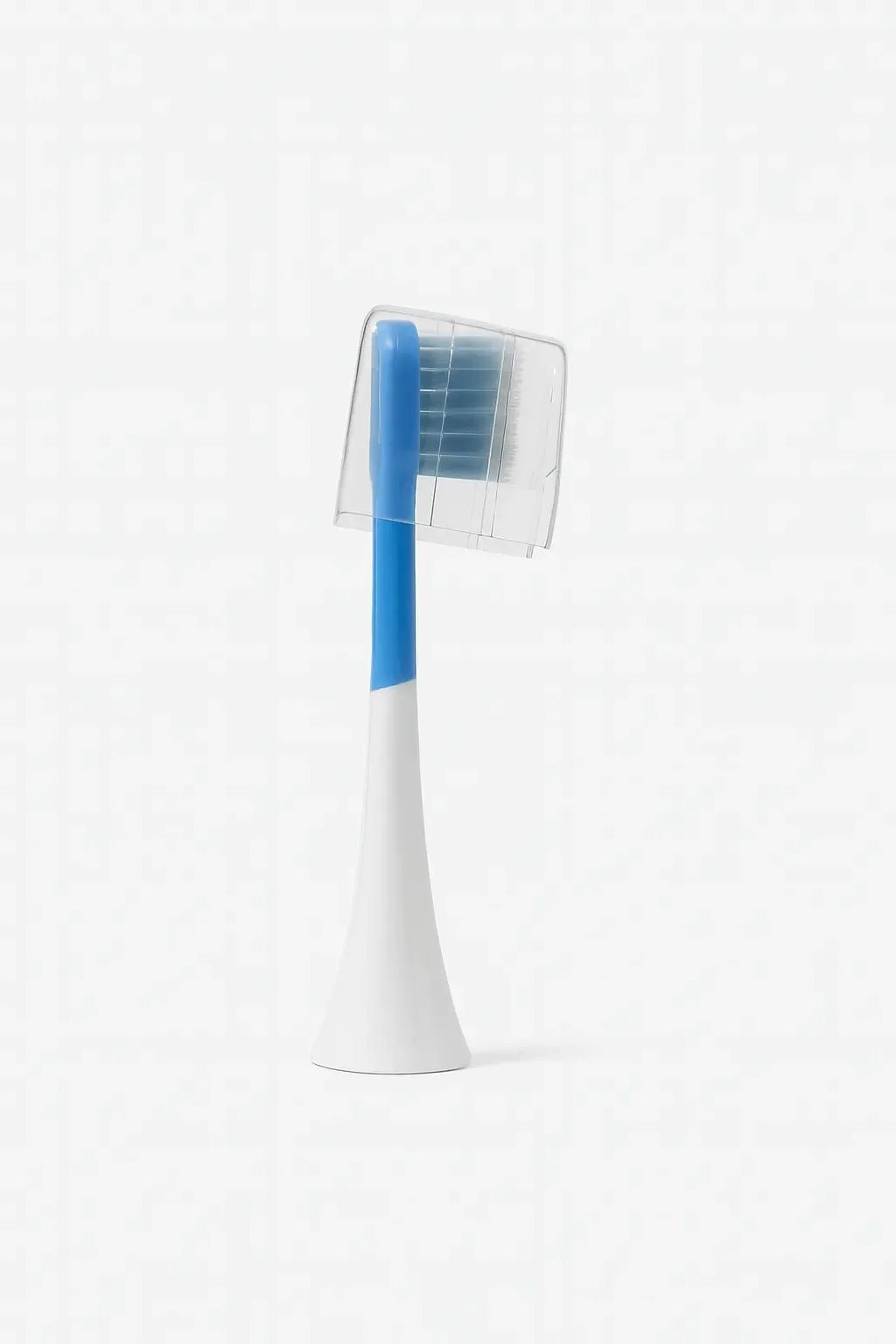
2) Replacement brush heads and dental bundles (because consistency beats perfection)
The best routine is the one you can maintain without last-minute store runs. If your child uses an electric brush, keeping
replacement heads on hand matters more than most parents expect. Worn bristles make brushing less effective, and “we are out” is an easy excuse to skip.
Bundles also simplify the mental load. One order, fewer decisions, fewer gaps. The only downside is storage, so keep extras in a labeled bin where you store personal-care backups.
3) A visual timer for bathrooms and homework
A small timer is an underrated peacekeeper. It turns “hurry up” into a neutral cue, which reduces power struggles for toothbrushing, showers, and even getting dressed.
If your child is easily distracted, a visual countdown is usually better than an audio alarm. If they are sound-motivated, a simple beep works. Either way, you are buying fewer reminders and fewer arguments.
Problem solvers for screen-free play that actually lasts
4) Screen-free STEM toys that have a clear “next step”
Parents do not need more toys. They need toys that hold attention without a screen and without constant adult involvement. STEM toys work best when they provide structure and progression - something your child can improve at over time.
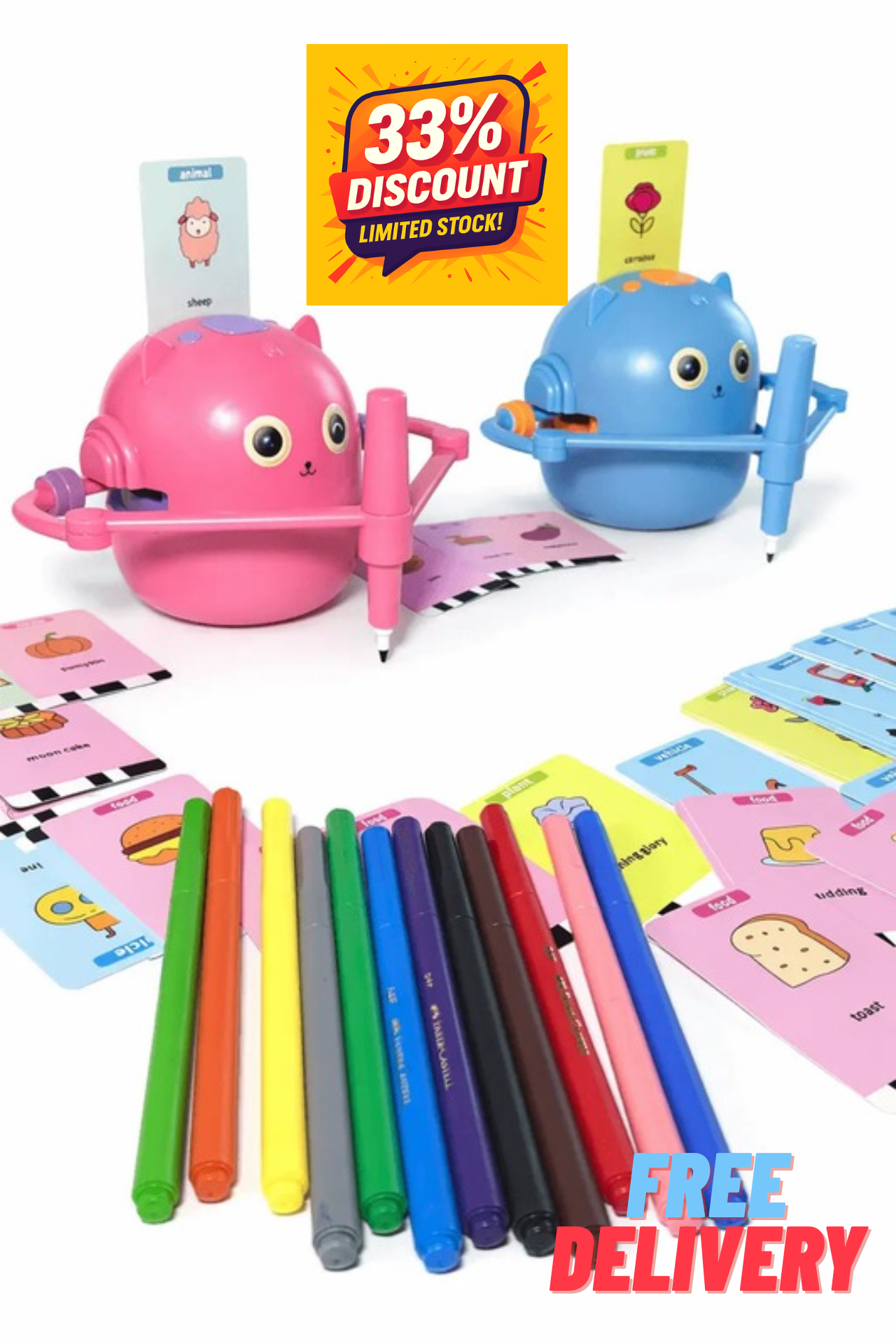
A drawing robot is a strong example: it gives kids an immediate win (it draws), then invites repetition (new patterns, different pens, copying shapes). The trade-off is that some kids want full creative control, so it helps to pair it with blank paper and open-ended prompts.
5) A contained art setup that prevents “marker migrated to the sofa”
If art time stresses you out because of mess, the fix is not banning markers. It is controlling the boundaries. A portable art caddy, washable markers, and a wipe-clean mat together create a “yes space” where kids can create without you hovering.
Choose based on your home. If you have tile floors, you can go lighter. If you have carpets and fabric chairs, invest in the mat. You are paying for calm.
Problem solvers for parties and high-energy days
6) A smoke bubble machine for instant entertainment
For birthdays, playdates, or “we need to burn energy before bedtime,” a bubble machine is a proven win. A smoke bubble machine takes it up a notch visually, which is why it works so well for parties and photos.
This is an occasional-use item, so storage and cleanup matter. Look for something easy to wipe down and simple to refill. If you hate sticky floors, place it on an easy-clean surface and keep a small towel nearby. The goal is fun without a post-party regret.
Problem solvers for clutter and lost items (the hidden time drain)
7) A magnetic gym bag that keeps essentials from disappearing
Gym days, swimming lessons, after-school activities - the problem is always the same: small items vanish into a black hole. A magnetic gym bag (or any bag with smart internal organization and quick-access sections) solves that by giving everything a “home” inside the bag.
The magnet feature is especially helpful in real life: you can snap gloves, keys, or accessories in a consistent spot instead of digging. The trade-off is you need to commit to the system. The first week, you teach the bag where things go. After that, it saves you time.
8) Entryway organization that matches your family’s behavior
If shoes pile up, it is not because you need more willpower. It is because your setup does not match your routine. A slim shoe rack, labeled hooks for backpacks, and a small tray for keys fix the “drop zone” problem.
Avoid complicated systems that require perfect habits. If your kids come in and throw things down, build a landing zone where “down” is still organized.
Problem solvers for parents who manage information all day
9) An AI voice recorder that turns scattered notes into usable text
Between school reminders, doctor questions, and work calls, parents hold too much in their heads. A compact voice recorder with transcription can reduce that mental load fast. Record the thought, and later you have text you can copy into a to-do list.
The “it depends” part is privacy and context. Use it for your own notes and planning, and be mindful in meetings and shared spaces. But if you are the household project manager, this is one of the few tools that can genuinely give you brain space back.
Problem solvers for the unglamorous essentials
10) A leak-proof lunch setup that does not create more work
Lunch leaks are a double loss: wasted food and extra cleaning. A solid lunchbox with tight seals, easy-open latches (kid-friendly), and simple compartments pays off every school day.
The trade-off is that some ultra-sealed containers can be hard for younger kids. If your child is under 6, test the opening strength at home first. A lunchbox that never leaks is not helpful if they cannot open it.
11) A small “refill shelf” for the things you always run out of
This is not a product so much as a habit supported by the right container. Pick one shelf or bin for backups: toothbrush heads, bubble solution, batteries, wipes, and the small parts that keep your household systems running.
This works because it removes surprise. The goal is not stockpiling. It is preventing the 9 pm discovery that the one item you need is finished.
How to choose problem solvers without wasting money
A good rule: buy for frequency first, then for intensity. A mild annoyance that happens daily (like messy toothbrushing) is worth solving. A big problem that happens twice a year might be better handled with a borrow, rent, or simple workaround.
Also consider your home’s “compliance reality.” If a product requires careful setup every time, it may fail in a busy household. The best tools are the ones your kids can use independently and your future self will still use when you are tired.
Finally, choose retailers that act like a filter, not a catalog. Fewer items, better explanations, real testing, clear age guidance, and reassurance like fast delivery and a money-back guarantee matter when you are buying for a family. That is the whole idea behind curated shops like TipTop360 - someone else does the comparison work so you do not have to.
A simple way to make these products actually stick
The product is only half the win. The other half is placement. Put the toothbrush where brushing happens, the timer where arguments happen, the art kit where mess is allowed, and the backup supplies where you can see them before you run out.
Your home does not need to be perfect to feel easier. It just needs a few smart helpers in the spots where life repeats - and permission to prioritize what saves your family time and patience tonight.