Cart
0
If your kid’s electric toothbrush suddenly starts “tickling,” splashing toothpaste everywhere, or leaving that faint fuzzy feeling on teeth, it’s usually not the toothbrush that failed. It’s the head.
Kids are hard on brush heads. They bite. They chew. They mash bristles against teeth like they’re scrubbing a frying pan. And because electric brushes do the motion for them, parents often miss the slow decline in performance until a dentist visit or a complaint at bedtime.
Replacement heads are the unglamorous part of oral care, but they’re the part that quietly decides whether brushing is doing its job.
Kids electric toothbrush replacement heads: what they actually do
A replacement head isn’t just “new bristles.” On an electric toothbrush, the head is the cleaning engine. The bristle tips are designed to flex and sweep plaque off the gumline while staying gentle enough for kids’ softer enamel and sensitive gums.Once those bristles start bending, fraying, or flattening, you lose two things at the same time: cleaning efficiency and comfort. Kids respond by brushing shorter, brushing harder, or refusing altogether. That’s why replacing on time is less about perfection and more about protecting the routine.
How often should you replace kids replacement heads?
Most dentists and manufacturers land around every 3 months, and that’s a solid default. But “every 3 months” assumes normal use, normal pressure, and a kid who doesn’t chew the brush like a snack.For many families, a better rule is: replace earlier if the head looks tired.
Replace immediately if you see any of this
Bristles splaying outward, a permanent lean to one side, or a rough, scratchy feel are the obvious signs. Less obvious is when the brush starts sounding different. A worn head can get louder, vibrate unevenly, or spray foam because the bristles no longer hold toothpaste in a controlled way.If your child was fine yesterday and suddenly says it “hurts” today, don’t assume they’re stalling bedtime. A worn head can poke and scrape, especially around the front teeth and gumline.
Kids who may need more frequent replacements
Some situations shorten the lifespan of kids electric toothbrush replacement heads: kids under 6 who chew while brushing, kids with braces or space maintainers, and kids who brush aggressively (often the ones trying to “win” brushing by doing it fast and hard). If your child has been sick, especially with a cold or flu, many parents prefer swapping the head afterward for hygiene peace of mind.Choosing the right replacement head (without overthinking it)
Parents usually get stuck on two questions: “Will this fit?” and “Is this too harsh for my kid?” Good news: you can answer both quickly.Fit: brand-specific vs universal
Many electric toothbrushes require brand-specific heads. Some systems accept third-party compatible heads, but compatibility is not the same as quality.If the head doesn’t click in firmly, wobbles, or feels loose when the motor runs, it’s not a good match. A loose head can reduce cleaning power and make the brush feel unpleasant, which kids interpret as “I don’t like this toothbrush.”
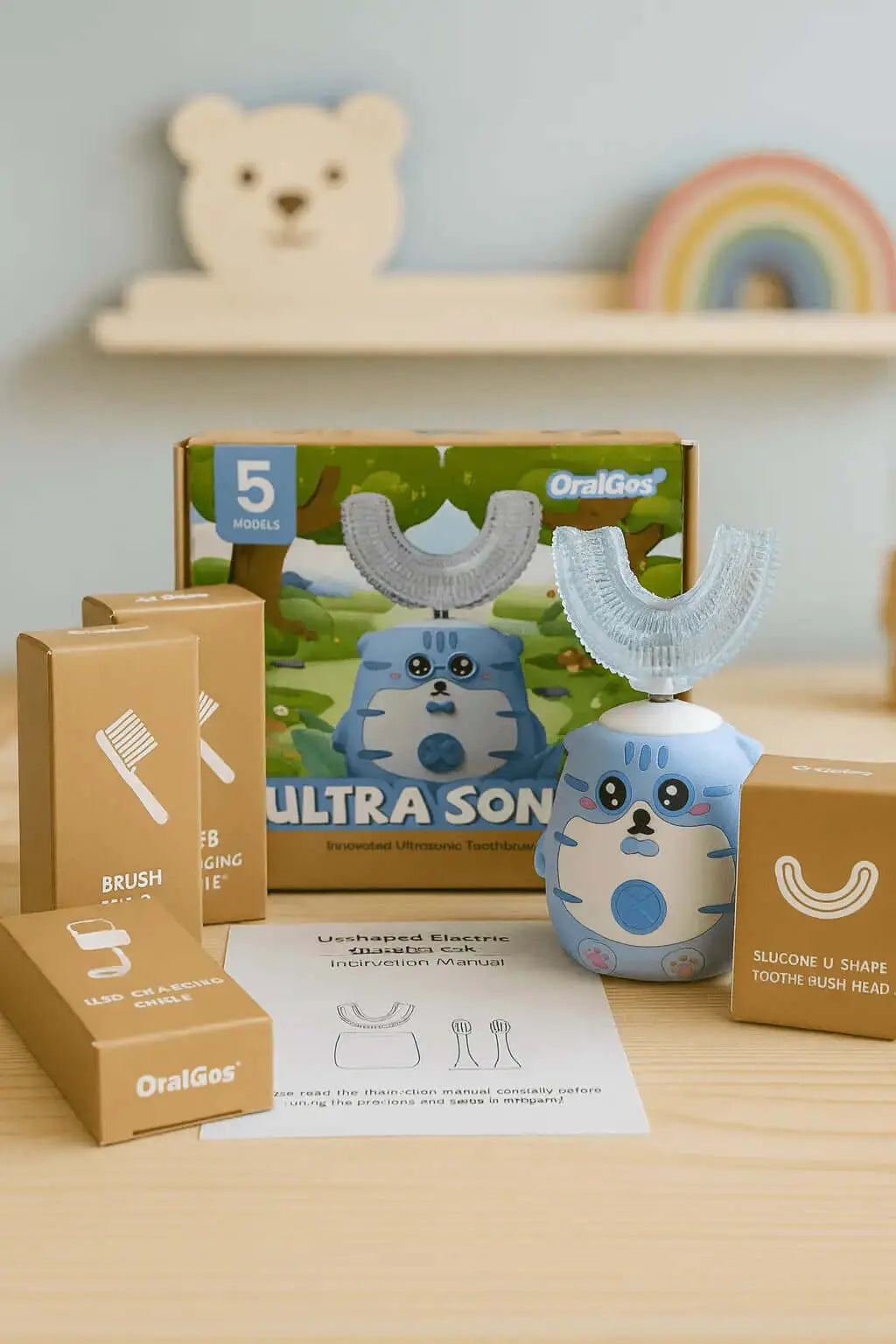
For U-shaped kids brushes, fit matters even more because the head has to sit comfortably along the gumline and match mouth size. A head that’s too big can rub. Too small can miss molars.
Size and softness: prioritize comfort and consistency
Kids don’t need “extra firm.” Most kids do best with soft bristles and a smaller head that can reach back molars without gagging.If your child is between sizes, choose the one that encourages consistent brushing. A slightly smaller, softer head that your kid will actually use beats a “stronger” head that causes complaints.
Bristle quality: what to look for
You want bristles that spring back, feel smooth at the tips, and stay evenly cut. Cheap heads often look fine on day one, then collapse quickly. That’s when kids start pushing harder to compensate, which is exactly what you don’t want.The hidden cost of waiting too long
Parents often stretch replacement heads because they still “look okay.” The problem is that bristles can lose cleaning efficiency before they look terrible.Here’s what tends to happen when a head is overdue:
First, brushing becomes less effective at the gumline, where plaque is most likely to hang out. Then kids start using more pressure to get that clean feeling. More pressure means more irritation, especially if they already have sensitive gums. Finally, the routine becomes a negotiation, because brushing is no longer comfortable.
If you’ve worked hard to build a no-drama bedtime routine, replacing the head on schedule is one of the simplest ways to protect it.
Hygiene and safety: what matters, what doesn’t
Parents hear a lot of conflicting advice about toothbrush hygiene. The goal is simple: keep the head clean, dry, and not shared.Rinse thoroughly after each use, shake off excess water, and store it upright where it can air-dry. Avoid closed containers for daily storage because trapped moisture can cause odors and buildup.
If you’re traveling, a breathable cap is fine for short periods. Just don’t seal a wet head in an airtight case for days.
Also, one head per child. Even siblings. Sharing spreads germs and makes it impossible to track wear.
Making replacement easy (so you actually do it)
Parents don’t forget on purpose. Life gets busy. The easiest system is the one that requires the least thought.If your family already runs on subscriptions for essentials, replacement heads fit that model well. If you prefer to buy in bulk, keep a couple of spare heads in the same drawer as toothpaste so replacement happens the moment you notice wear.
A practical trick that works for many families is tying replacements to a calendar anchor: the first week of January, April, July, and October. It’s simple, predictable, and doesn’t require apps.
What about kids who use U-shaped electric brushes?
U-shaped brushes are popular with kids because they feel fast and fun, and many are designed for full-mouth coverage. Replacement heads matter here because the shape needs to stay true.Over time, a U-shaped head can deform slightly from biting or twisting. When that happens, the brush may stop contacting the teeth evenly. You might still see foam and hear the motor, but you’re not getting uniform cleaning.
If your child uses a U-shaped brush, check two things regularly: whether the silicone or bristle surface still feels smooth and intact, and whether the “U” still sits evenly without pressing too hard on one side.
Common buying mistakes parents make
Most regret comes from three predictable missteps.First, buying the cheapest compatible head. Compatibility gets it onto the handle, but it doesn’t guarantee gentle bristles, stable vibration, or durability.
Second, buying the wrong size for the child’s age and mouth. If your kid gags, complains, or avoids back teeth, the head is probably too big or too stiff.
Third, stocking up without testing one. Before you buy a multi-pack, try a single replacement to confirm comfort, fit, and noise level. Kids notice small changes, and if the brush suddenly feels “weird,” they’ll resist.
The simple checklist before you hit “buy”
You don’t need a deep research project. You need clarity.Confirm the exact toothbrush model your child uses. Choose a head size that matches your child’s age and mouth (smaller is often better for young kids). Stick to soft or extra soft bristles unless your dentist specifically recommends otherwise. And prioritize heads that lock in securely and feel consistent from day one through week twelve.
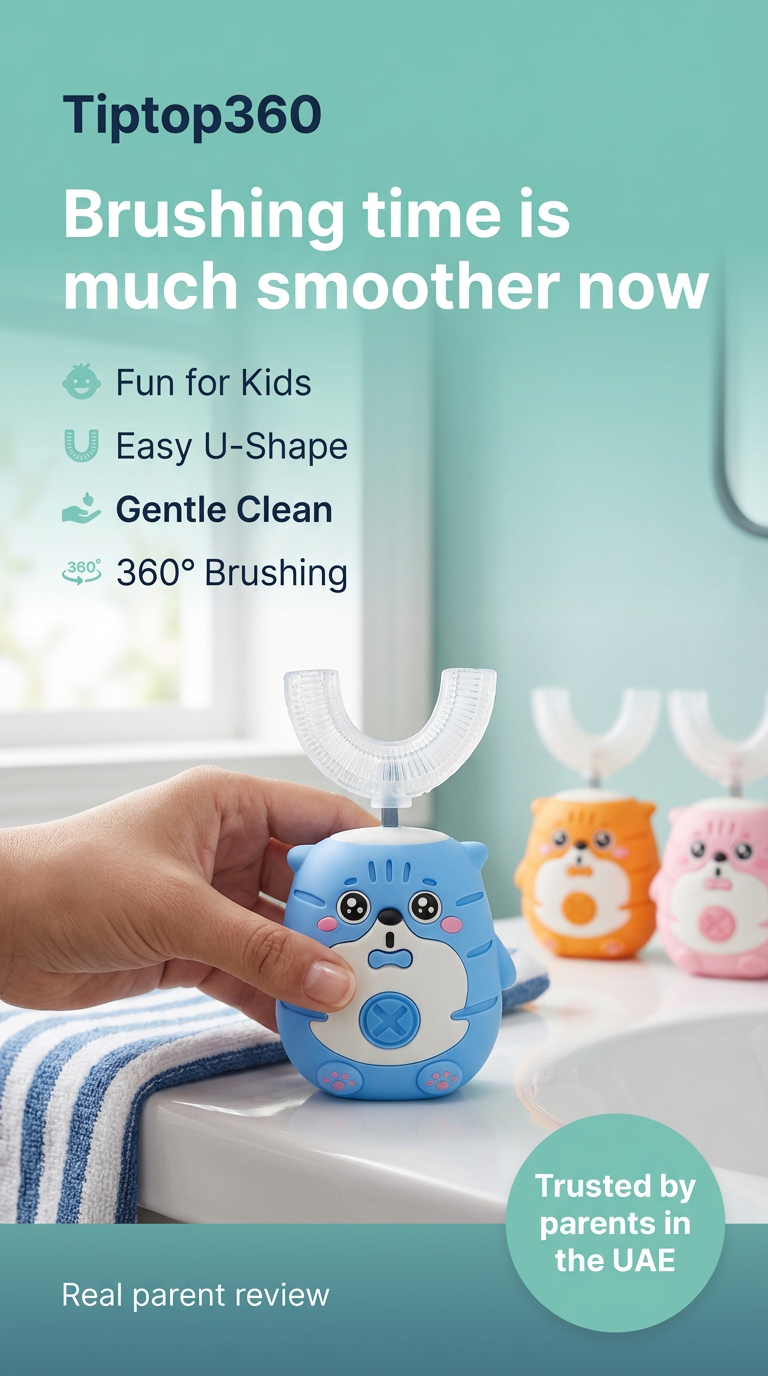
If you’re shopping in the UAE and want a decision-light option, TipTop360 focuses on curated, family-friendly essentials and replacement parts designed for real routines, with fast delivery and support that helps parents stay consistent.