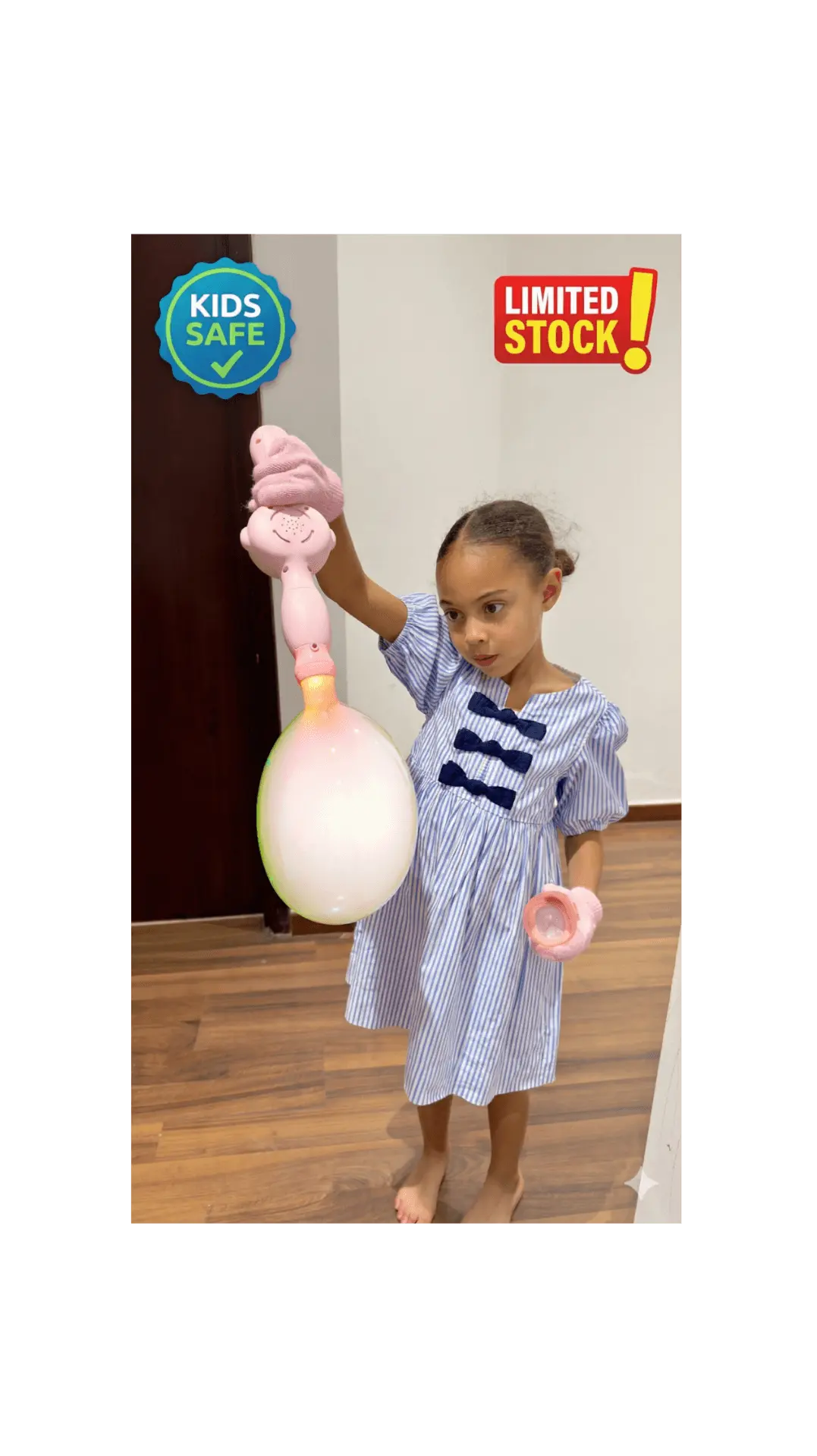
Kids don’t sip bubble solution on purpose. They do it because bubbles land on lips, fingers go in mouths, and toddlers treat anything shiny like a snack. So if you’re asking, “is bubble machine fluid safe for kids,” you’re asking the right question - especially if you’re running a birthday party, a school event, or just trying to keep playtime fun without turning it into a stress test.

Here’s the practical truth: most reputable bubble machine fluids are designed to be “non-toxic,” but that does not mean “safe to eat,” “safe for eyes,” or “fine for every child.” Safety depends on ingredients, concentration, supervision, and how the product is used.

Is bubble machine fluid safe for kids in real life?

For typical play, bubble machine fluid is generally low-risk when used as intended: bubbles in the air, occasional skin contact, and small incidental exposure like a bubble popping on the mouth. Most formulas are water-based and built around soap-like surfactants that reduce surface tension so bubbles can form.

The risk goes up when any of these happen: a child drinks the solution, gets it directly in the eyes, uses it on irritated skin, or you’re using a homemade or off-brand mix with unknown concentration. Another factor is volume. A few drops on the lips is one thing; swallowing a mouthful is another.

So “safe” really means: low toxicity, predictable ingredients, and manageable risk with basic precautions.

What’s usually inside bubble machine fluid (and why it matters)

Most commercial bubble fluids use a simple recipe:

Water is the main ingredient and keeps the solution thin enough to flow through a machine.

Surfactants (soap-like cleansing agents) are what actually make bubbles possible. These can be similar to what’s found in hand soap or dishwashing liquid, but optimized for bubble strength.

Glycerin or similar humectants may be added to make bubbles last longer and pop less easily.

Preservatives or stabilizers sometimes appear in small amounts to prevent the solution from growing microbes over time.

Fragrance and dyes are optional. When they’re present, they’re often what causes the most parent complaints - not because they’re automatically dangerous, but because they can be irritating to sensitive skin, trigger allergies, or stain fabrics.

If you’re comparing products, the safest-feeling choice for kids is usually a clear, unscented formula from a recognizable brand with proper labeling and safety instructions.

The most common risks parents actually deal with

Most kids will be totally fine with normal bubble play. When problems happen, they’re usually in a few predictable categories.

1) Eye irritation

Bubble solution in the eye stings. That’s the most common “bubble emergency,” and it can feel dramatic because kids panic. It’s typically temporary, but it matters because rubbing can make irritation worse.

What to do: flush with clean, lukewarm water for several minutes. If redness, swelling, pain, or light sensitivity continues, get medical advice.

2) Upset stomach after swallowing

A small swallow may cause mild nausea, gagging, or a single vomit episode - mainly because it’s soapy. Larger amounts can cause more vomiting or diarrhea and, in rare cases, increased risk of aspiration (breathing in foam) if the child is coughing.

What to do: rinse the mouth, offer small sips of water, and watch for symptoms. If a large amount was swallowed or your child is very young, seek medical guidance.

3) Skin dryness or rash

Soap-based solutions can dry skin, and fragrances or preservatives can trigger irritation in sensitive kids.

What to do: wash hands/skin with plain water and a gentle cleanser after play. If your child has eczema, try to keep bubbles off broken or inflamed areas.

4) Slips and falls

This one surprises people. Bubble residue on tile, marble, or polished floors can get slick fast. In UAE homes with smooth flooring, it’s a real issue.

What to do: run bubble machines outdoors, on grass, or on a mat. If indoors, keep the machine in a controlled corner and wipe the floor promptly.

Babies and toddlers: where “it depends” becomes the rule

For toddlers, bubble fluid isn’t usually “dangerous,” but they’re much more likely to:

Put hands in their mouths constantly.

Drink from open containers.

Rub their eyes with wet fingers.

That’s why age matters less than behavior. A supervised 3-year-old who understands “hands down, no drinking” is lower risk than an unsupervised 5-year-old who decides the reservoir looks like juice.

If you have kids under 3, treat bubble machines like any other liquid-containing device: keep the reservoir out of reach, avoid leaving solution sitting in open trays, and choose a formula you trust.

How to choose a safer bubble machine fluid

You don’t need a chemistry degree. You need clear labeling and fewer unknowns.

Look for “non-toxic” and “child-safe when used as directed,” plus a complete product label (brand name, usage instructions, warnings, and contact details). Avoid unbranded refills with vague packaging or no manufacturer info.

Choose clear, fragrance-free options when possible, especially if your child has allergies, asthma, or sensitive skin.

Avoid products that feel oily, unusually thick, or strongly perfumed - those are more likely to irritate skin and eyes, and they’re harder to clean off floors.

If you’re buying for a school, nursery, or a big party, consistency matters. Use one known fluid rather than mixing random refills together.

Brands that operate with a “curated and tested” mindset help reduce guesswork. That’s one reason families shop at stores like TipTop360 - the goal is to remove the roulette of questionable kids items and focus on products chosen for real-world family use.

Homemade bubble solution: safer or riskier?

Homemade mixes sound comforting because you control the ingredients. In practice, they’re a mixed bag.

If you’re making bubbles for a wand outdoors, a simple recipe using mild dish soap, water, and a small amount of glycerin can work. But for bubble machines, homemade solutions often cause issues: wrong viscosity, extra residue, clogging, overheating from strain, and more mess on floors.

Also, “mild dish soap” can still be irritating if it’s heavily scented or concentrated. Some dish liquids are tougher degreasers than you’d want near toddler eyes.

If you go homemade, keep it simple, avoid harsh detergents, skip fragrance boosters, and test in small batches. If you’re using a machine you care about, a commercial fluid formulated for machines is usually the safer choice for both kids and the device.

Party setup that keeps bubbles fun (and low-drama)

Most bubble issues come from setup, not the bubbles themselves.

Place the bubble machine on a stable surface away from face height. If it’s at toddler eye level, they’ll walk right into the output and get solution misted straight into eyes.

Keep the refill bottle and reservoir out of reach. Kids love “helping,” which often means pouring half the fluid onto the floor.

Use bubbles outdoors when possible. You get better airflow, less slippery residue, and fewer complaints about furniture or rugs.

If indoors, protect your flooring. A towel, mat, or washable play area reduces slipping and makes cleanup quick.

After play, rinse hands and faces. This single habit prevents the classic chain reaction: bubbles on fingers, fingers in eyes, tears at bedtime.

What to do if bubble fluid gets in eyes or is swallowed

Parents don’t need to panic, but they do need to act promptly.

For eyes: flush with clean water for several minutes. Encourage blinking. Remove contact lenses if applicable. If symptoms persist or are severe, get medical help.

For swallowing: wipe the mouth, rinse, offer water in small sips, and monitor. Seek medical guidance if your child swallowed a large amount, is vomiting repeatedly, seems unusually sleepy, has trouble breathing, or is under 2 and you’re unsure.

And if the product label includes specific first-aid instructions, follow those first.

The bottom line: low-risk, not zero-risk

Bubble machine fluid is generally safe for kids when it’s a properly labeled, reputable formula used as directed with basic supervision. The real hazards are usually irritation, slipping, and the rare “big gulp” moment - all preventable with smarter setup and a product you trust.

A helpful rule for busy parents: treat bubble fluid like liquid soap. You’re fine with it on hands. You don’t want it in eyes. You definitely don’t want it as a drink. Keep it contained, keep play supervised, and let the kids enjoy the magic without you hovering like it’s a lab experiment.
Check our Kids top curated Products